Nutrition et santé Fact-check publié le 27/07/2025

Une IA qui détecte les spermatozoïdes a permis à ce couple d’avoir un enfant !
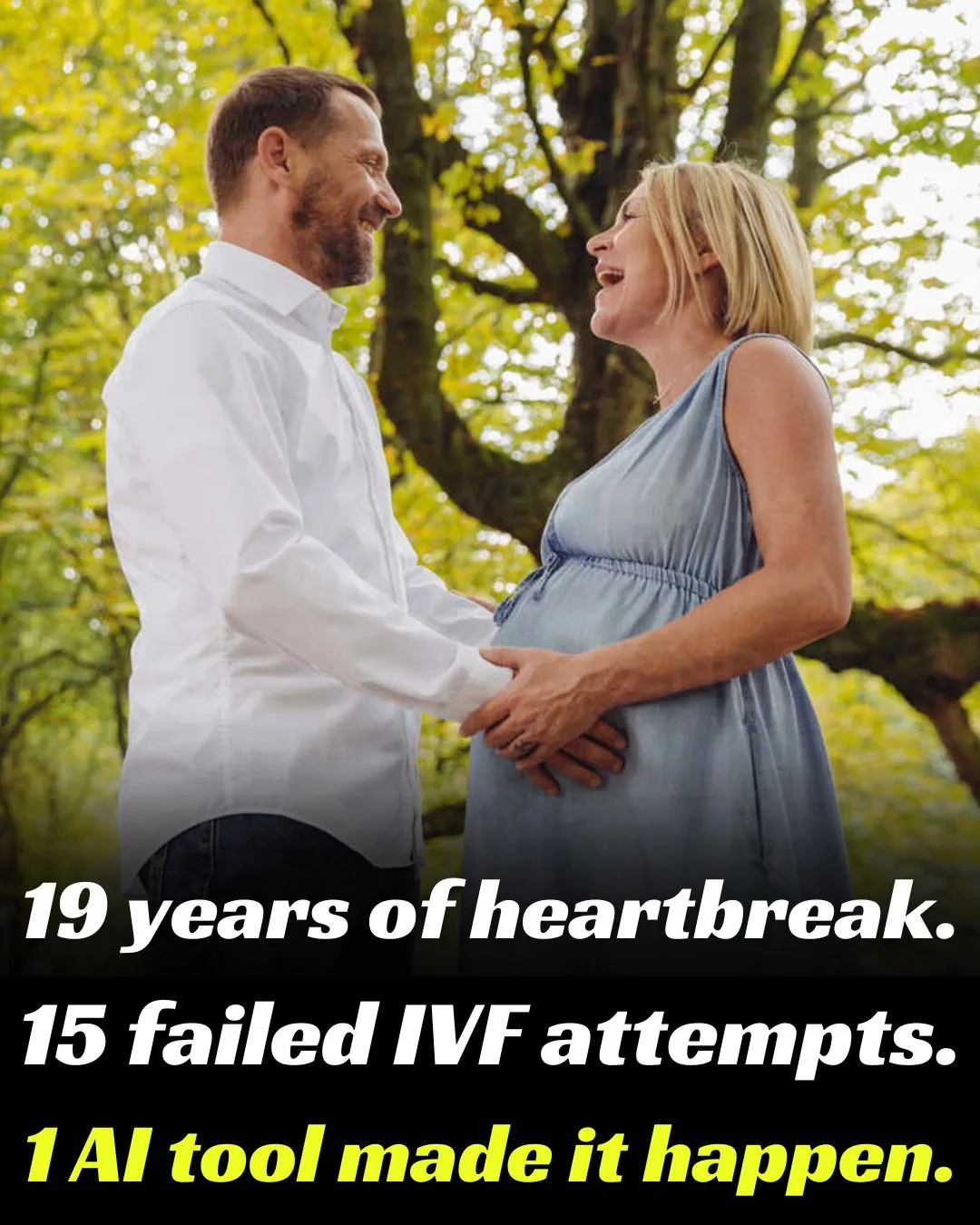
Le post original

AI just helped a couple get pregnant - after 19 years and 15 failed IVF cycles. The breakthrough came with an AI tool built by a team at Columbia University. It’s called STAR - the world’s first AI system trained to find sperm that embryologists can’t. The husband had azoospermia - a condition where no sperm is visible under the microscope. Dozens of attempts, surgeries, and even overseas experts had failed. But the team at Columbia didn’t give up. They spent 5 years building STAR (Sperm Track and Recovery). The system scans 8 million images per hour using a chip and computer vision, then gently isolates viable sperm missed by even the most experienced lab techs. And it worked. ▶︎ STAR found 44 sperm in a sample that had been manually searched for two full days. ▶︎ That one breakthrough led to a pregnancy that had felt impossible for nearly two decades. ▶︎ And it did so without chemicals, donor samples, or invasive extraction methods. For millions of couples dealing with infertility, this is a glimpse of what AI-assisted reproductive medicine could unlock. But more importantly - this shows us what AI in healthtech should be aiming for: Not just more data. Not just smarter models. But real clinical results that change lives. And as a healthtech investor, this is what I look for in AI-driven care: → A clear pain point → A targeted intervention → And a story no one can ignore What’s your take - could AI reshape fertility care the way it’s starting to reshape diagnostics and mental health? #entrepreneurship #healthtech #innovation
Original post image

Le fact-check

En français ✅ C'est vrai ! L'histoire de couple a été racontée dans un article du Time mis en ligne le 10 juin dernier. https://time.com/7291154/doctors-report-first-pregnancy-new-ai-procedure/ Cette prouesse a en effet été rendue possible grâce aux travaux du Dr Zev Williams, directeur du Columbia University Fertility Center (New York, Etats-Unis). https://www.columbiadoctors.org/news/columbia-fertility-looks-stars-help-men-infertility La BBC a fait un reportage sur ces travaux. https://www.youtube.com/watch?v=K-Hq4SBX_cg Les hommes sont en cause dans 40% des cas d'infertilité des couples,. Et 15% de ces cas d'infertilité masculine sont causés par une azoospermie (absence quasi-totale de spermatozoïde dans leur sperme) liée à un défaut génétique. https://www.frm.org/fr/projets/therapie-innovante-azoospermie-non-obstructive-pour-infertilite-masculine In English ✅ That's right! The couple's story was featured in an article published online by Time magazine on June 10. https://time.com/7291154/doctors-report-first-pregnancy-new-ai-procedure/ This remarkable achievement was made possible thanks to the work of Dr. Zev Williams, director of the Columbia University Fertility Center (New York, United States). https://www.columbiadoctors.org/news/columbia-fertility-looks-stars-help-men-infertility The BBC produced a report on this work. https://www.youtube.com/watch?v=K-Hq4SBX_cg Men are responsible for 40% of cases of infertility in couples. And 15% of those male infertility cases are caused by azoospermia (i.e.the near-total absence of sperm in semen) and is typically linked to a genetic defect. https://www.frm.org/fr/projets/therapie-innovante-azoospermie-non-obstructive-pour-infertilite-masculine

Historique

3 étapes
24 juil. 2025 • 19:49

Post Reçu

27 juil. 2025 • 12:43

Publication

✅ C'est vrai ! L'histoire de couple a été racontée dans un article du Time mis en ligne le 10 juin dernier. https://time.com/7291154/doctors-report-first-pregnancy-new-ai-procedure/ Cette prouesse a en effet été rendue possible grâce aux travaux du Dr Zev Williams, directeur du Columbia University Fertility Center (New York, Etats-Unis). https://www.columbiadoctors.org/news/columbia-fertility-looks-stars-help-men-infertility La BBC a fait un reportage sur ces travaux. https://www.youtube.com/watch?v=K-Hq4SBX_cg Les hommes sont en cause dans 40% des cas d'infertilité des couples,. Et 15% de ces cas d'infertilité masculine sont causés par une azoospermie (absence quasi-totale de spermatozoïde dans leur sperme) liée à un défaut génétique. https://www.frm.org/fr/projets/therapie-innovante-azoospermie-non-obstructive-pour-infertilite-masculine

27 juil. 2025 • 13:18

Correction

Correction

"Ajout de la VO en anglais"

Vous avez une question, une remarque ou une suggestion ? Contactez-nous, nous vous répondrons au plus vite !

Nous contacter

Posez votre question à VeraVera