Sciences Fact-check publié le 26/08/2025

❌ Gillbert, le poisson qui se nourrit de microplastiques et se recharge automatiquement
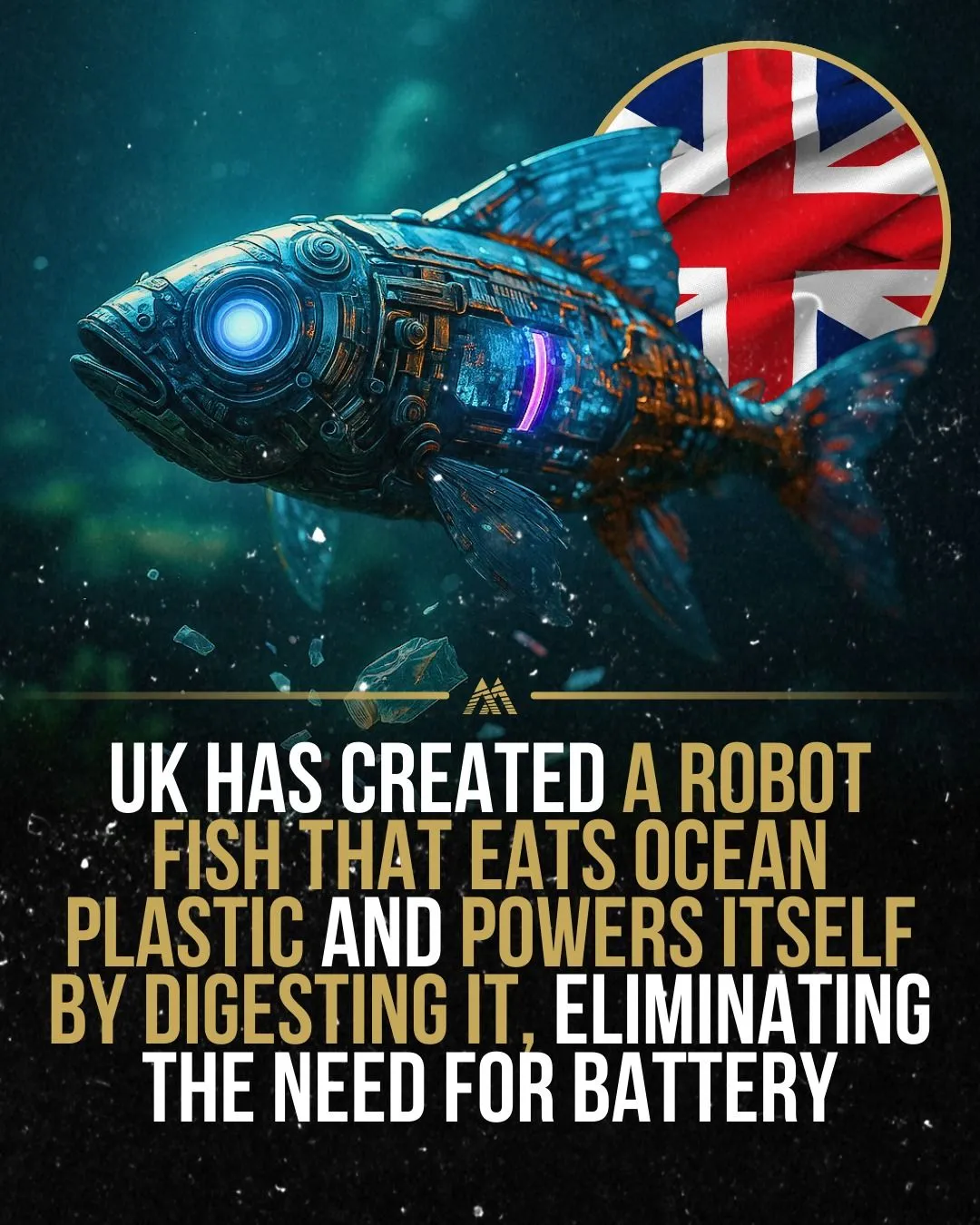
Le post original

🤖🐟 Meet Gillbert — the 3D-printed robot fish that eats microplastics! Created by University of Surrey student Eleanor Mackintosh, this salmon-sized swimmer mimics real fish while filtering polluted water with a fine mesh that captures even the tiniest plastic particles. 🌊♻️ 💡 What makes Gillbert special: ✅ Open-source & free to print ✅ Already cleaning UK lakes ✅ A student-led innovation with global impact A small fish with a big mission, Gillbert proves that creativity and tech can tackle our planet’s toughest challenges. 🌍💙 ⚠No ©Copyright infringement intended ❌ #Gillbert #RobotFish #3DPrintingInnovation #EcoTechnology #CleanWaterMission #SustainableTech #InnovationForGood #MicroplasticSolution #FutureOfSustainability #TechForPlanet #OpenSourceTech #GreenInnovation #STEMPower #EngineeringForGood #EcoFriendlyTech #PlasticPollutionSolution #PlanetCare #SmartDesign #TechnologyForChange #StudentInnovation
Original post image

Le fact-check

❌ Pretty false : the real robot fish is less sexy than the AI generated image illustrating the post, as you can see here : https://cvc.li/vQIwz. In addition, the robot is battery powered and we could not find any source indicating that it could digest plastic ... The design has been selected in 2022 by a panel of judges in a competition. It is however true that the robot can be 3D-printed, the files are open source : https://cvc.li/EVcdm Though the robot fish has some drawbacks : it cannot distinguish between organic matter vital for the ecosystem and plastic and it has to be remotely operated : https://cvc.li/VXMQY At this stage, it cannot then be considered as an efficient way to massively remove plastic from lakes or rivers.

Historique

2 étapes
18 août 2025 • 16:49

Post Reçu

26 août 2025 • 15:49

Publication

❌ Pretty false : the real robot fish is less sexy than the AI generated image illustrating the post, as you can see here : https://cvc.li/vQIwz. In addition, the robot is battery powered and we could not find any source indicating that it could digest plastic ... The design has been selected in 2022 by a panel of judges in a competition. It is however true that the robot can be 3D-printed, the files are open source : https://cvc.li/EVcdm Though the robot fish has some drawbacks : it cannot distinguish between organic matter vital for the ecosystem and plastic and it has to be remotely operated : https://cvc.li/VXMQY At this stage, it cannot then be considered as an efficient way to massively remove plastic from lakes or rivers.

Vous avez une question, une remarque ou une suggestion ? Contactez-nous, nous vous répondrons au plus vite !

Nous contacter

Posez votre question à VeraVera